Brighten Your Home: Skylight Solutions for Flat Roofs
Flat roof skylights can significantly improve a home's atmosphere. They usher in sunlight, changing dull areas into dynamic living spaces. Various types of skylights offer different benefits, from non-opening types to ventilation-capable designs. Careful installation can increase sunlight exposure while boosting visual interest. Still, picking the ideal skylight requires more than visual considerations. Knowing the possibilities and their impacts can produce a more comfortable living area. What aspects should be examined for the best results?
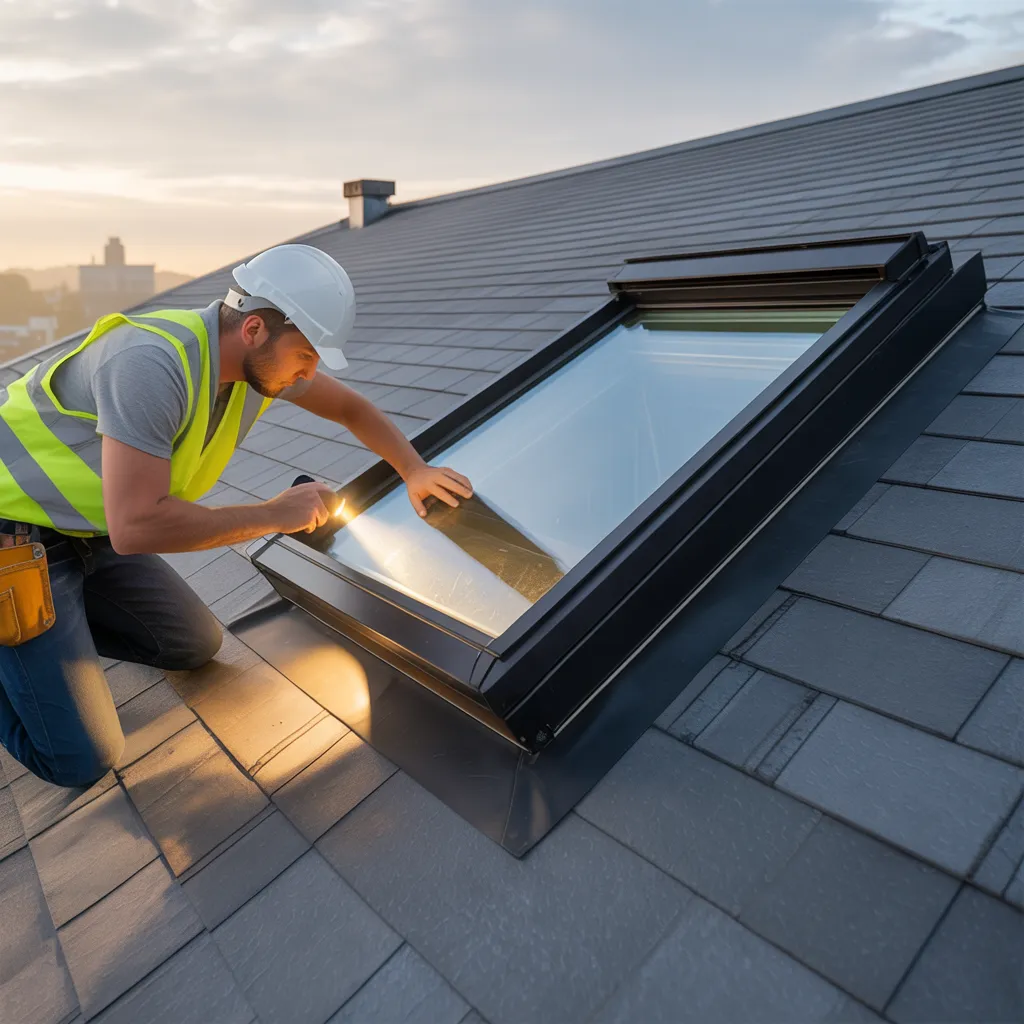
Perks of Skylights for Flat Roofs
Flat roof skylights provide many benefits that can significantly improve both the design quality and operational features of a space. They allow natural light to stream in, creating a radiant and appealing atmosphere while decreasing the requirement for artificial lighting during the day. This natural illumination can improve mood and overall well-being. Additionally, skylights can aid in ventilation, allowing heated, stuffy air to escape and promoting a comfortable indoor environment. They can also work as a focal point in design, adding visual interest to otherwise plain ceilings. Moreover, strategically positioned skylights can improve energy efficiency by decreasing heating and cooling costs, making them a sensible selection for homeowners aiming to optimize their living spaces.
Skylight Varieties to Consider
In choosing skylights for flat roofs, it is necessary to consider the different types available. Fixed skylights deliver an unobstructed view and improve natural lighting, while ventilated skylights present the added advantage of airflow. Understanding the merits of each type can help homeowners make knowledgeable decisions for their spaces.
Advantages of Fixed Skylights
Stationary skylights offer numerous benefits for homeowners looking to enhance natural light in their spaces. These skylights are built to stay fixed, allowing sunlight to pour in without the need for mechanical components or moving parts, which limits maintenance requirements. They are also offered in various sizes and shapes, making it more straightforward for homeowners to find the perfect fit for their architecture. Additionally, fixed skylights can boost energy efficiency by offering passive solar heat gain during colder months. The installation of these skylights can create a feeling of openness and spaciousness, converting dark areas into welcoming, illuminated rooms. Finally, they are often fabricated with durable materials that resist weather-related issues, ensuring longevity and performance.
Benefits of Ventilated Skylights
Ventilated skylights deliver a dynamic solution for enhancing indoor air quality and regulating temperature in homes. These skylights are engineered to open, allowing for the circulation of fresh air while expelling stale air, thus improving ventilation. This feature is especially beneficial in areas susceptible to humidity or heat buildup, such as kitchens and bathrooms. By facilitating airflow, ventilated skylights can help decrease energy costs associated with cooling, making them an eco-friendly option. Additionally, they can reduce condensation, preventing potential water damage and mold growth. Available in various styles, including manual and electric options, ventilated skylights cater to different preferences and needs, making them a versatile choice for homeowners looking to enhance their living spaces.
Location: Identifying the Optimal Spot
Where ought skylights be placed to maximize the amount of natural light while reducing heat loss? The best placement involves careful assessment of the room's alignment and purpose. South-facing skylights often capture the most natural light, increasing brightness during winter months. On the other hand, north-facing skylights offer steady, indirect light all through the day.
Along with orientation, the distance from walls and obstructions should be evaluated to prevent shadows that can reduce the skylight's effectiveness. Refrain from positioning skylights directly above heating sources, as this can lead to unwanted heat loss.
In conclusion, securing proper alignment with existing architectural details can improve aesthetic appeal and functionality. By carefully selecting the location, homeowners can reach a balance of natural light and energy efficiency in their flat-roofed homes.
Designing With Skylights in Mind
When working with skylight designs, thoughtful placement considerations are crucial to enhance natural light while reducing potential issues such as glare or heat loss. Moreover, choosing the right style can enhance the aesthetic appeal begin now of the space, guaranteeing that the skylight matches the overall design. Together, these factors play a vital role in creating a functional and harmonious environment.
Skylight Positioning Factors
What role does skylight arrangement play in converting a flat roof into a natural light source with enhanced aesthetics? Strategic skylight placement is essential for optimizing illumination while minimizing potential challenges such as heat absorption or dissipation. Preferably, skylights should be placed to capture sunlight during optimal times, taking into account the building's orientation and adjacent architecture. Positioning near living areas or spaces that benefit from more natural light increases warmth and ambiance. Furthermore, ensuring a distance from roof edges minimizes the risk of leaks and secures structural integrity. It is also crucial to evaluate the interior layout; aligning skylights with rooms below can enhance light distribution. Proper placement ultimately determines the effectiveness and beauty of skylights in transforming flat roofs.
Selecting the Perfect Style
What factors influence the selection of skylight styles for flat roofs? The design choices of homeowners serve an important function, as they desire designs that enhance their overall architectural style. Functionality is of equal significance; different skylight options, such as tubular, fixed, or vented, supply varying features like natural ventilation or enhanced light diffusion. Additionally, climate considerations are necessary; regions with heavy rainfall may require more durable, watertight solutions. Energy efficiency also guides choices, with insulated models lowering heat loss. Finally, local building codes and regulations can determine certain style selections, ensuring compliance and safety. By weighing these factors, homeowners can choose skylights that elevate their living spaces while securing practicality and adherence to guidelines.

Increasing Energy Efficiency
Numerous residential property owners and building managers are progressively realizing the importance of skylights in enhancing energy efficiency for flat roofs. By enabling natural daylight to penetrate indoor spaces, skylights can considerably decrease dependency on artificial lighting, resulting in lower energy consumption. Moreover, modern skylights commonly integrate energy-efficient glazing, which assists in regulate indoor temperatures by reducing heat loss in winter and minimizing heat gain in summer. This thermal performance contributes to a more stable indoor climate, helping HVAC systems to operate more efficiently. Moreover, strategically placed skylights can improve airflow, further decreasing the need for artificial cooling. Ultimately, the careful integration of skylights into flat roof designs not only brightens spaces but also encourages sustainable energy practices, helping both the environment and occupants.
Upkeep Advice for Skylights
Even though skylights can substantially enhance natural light and energy efficiency, consistent maintenance is essential to verify their longevity and performance. Homeowners should perform routine inspections to examine for debris, cracks, or leaks. Cleaning the skylight glass at least two times a year aids in sustain clarity and avoids dirt buildup that can block light. Additionally, checking seals and flashing for wear can avert water intrusion. If any issues are discovered, prompt repairs are essential to avert more extensive damage. It is also wise to trim nearby trees to minimize falling leaves or branches that may cause scratches or blockages. Finally, consulting a professional for annual maintenance ensures that skylights remain in top condition, preserving investments and enhancing home comfort.
Real-Life Inspiration: Stunning Skylight Projects
Routine upkeep ensures skylights remain in good condition and beautiful, paving the way for stunning installations that can transform any space. One noteworthy example is a modern urban loft showcasing expansive skylights that bathe the area with natural light, creating a vibrant atmosphere. In another instance, a minimalist home incorporates strategically placed circular skylights to complement its aesthetic while providing ventilation. A contemporary art studio showcases a series of linear skylights, allowing natural light to illuminate the artwork while decreasing the need for artificial lighting. In addition, a cozy cottage boasts a unique pyramidal skylight that adds architectural interest and lights up the living area. These installations exemplify how skylights can elevate design, improve mood, and connect interior areas to the outdoor environment.
Frequently Asked Questions
Can Skylights Be Installed on Existing Flat Roofs?
Yes, skylights can be placed on existing flat roofs. However, thorough assessment and planning are vital to ensure structural integrity and prevent water leakage, making professional installation highly recommended for best results and longevity.
What Does It Cost on Average to Install a Skylight?
The typical cost for skylight installation ranges from $1,500 to $3,000, depending on factors such as size, type, and installation complexity. Additional expenses may come from essential structural modifications or finishing work.
Are There Any Building Codes for Skylight Installation?
Building codes for skylight installation do exist. These regulations often address structural integrity, energy efficiency, and proper flashing techniques to prevent leaks. It's crucial to consult local codes before installation to guarantee compliance.
What Is the Average Life Expectancy of Skylights?
Skylights typically last between 10 and 20 years, depending on material quality, installation standards, and maintenance. Regular inspections and upkeep can increase their longevity, ensuring they continue to provide natural light efficiently through the years.
Can Skylights Develop Leaks, and How Can I Avoid This?
Skylights may certainly leak, primarily due to faulty installation or deterioration over time. To minimize leak risks, verify proper sealing, periodically inspect for deterioration, and copyright nearby roof structures to ensure ideal water resistance and proper drainage.